
Blog

The tradition of handcrafted log construction has always been rooted in skill, patience, and knowledge passed from one generation to the next. While tools and techniques have evolved, one thing has remained consistent: the importance of learning from experienced builders. Today, that knowledge is more accessible than ever through detailed manuals and instructional media. At Kingsbridge Supply, we view our Books & DVDs collection as more than a catalog. It is a resource for anyone interested in log construction, whether you are just getting started, refining your skills, or working professionally in the field. The Value of Learning Before Building Log construction is not a trial-and-error process. It requires an understanding of materials, joinery , structural behavior, and long-term performance. Without a solid foundation, even small mistakes can lead to costly issues down the line. We believe educational resources allow builders to approach projects with clarity. They provide step-by-step instruction, visual guidance, and proven methods that have been tested in real-world conditions. This is especially important for those planning to build their own log home, where preparation directly impacts success. Our goal is to offer materials that bridge the gap between theory and hands-on application.

In log building and woodworking, the difference between an average result and a truly exceptional one often comes down to a single factor: attention to detail. While tools, materials, and experience all play important roles, it is the consistent focus on precision at every stage that defines skilled craftsmanship . Attention to detail is not about perfection for its own sake. It is about creating a finished product that performs as intended, fits together properly, and stands the test of time. The Foundation of Every Build Every successful log structure begins with accurate layout and measurement. Small inconsistencies at the beginning of a project do not remain small. They tend to carry forward and compound as the build progresses. When attention to detail is applied early, it helps: Establish a consistent reference point for the entire structure Reduce the need for adjustments later Support better alignment between components Without this foundation , even experienced builders may find themselves correcting issues that could have been avoided.
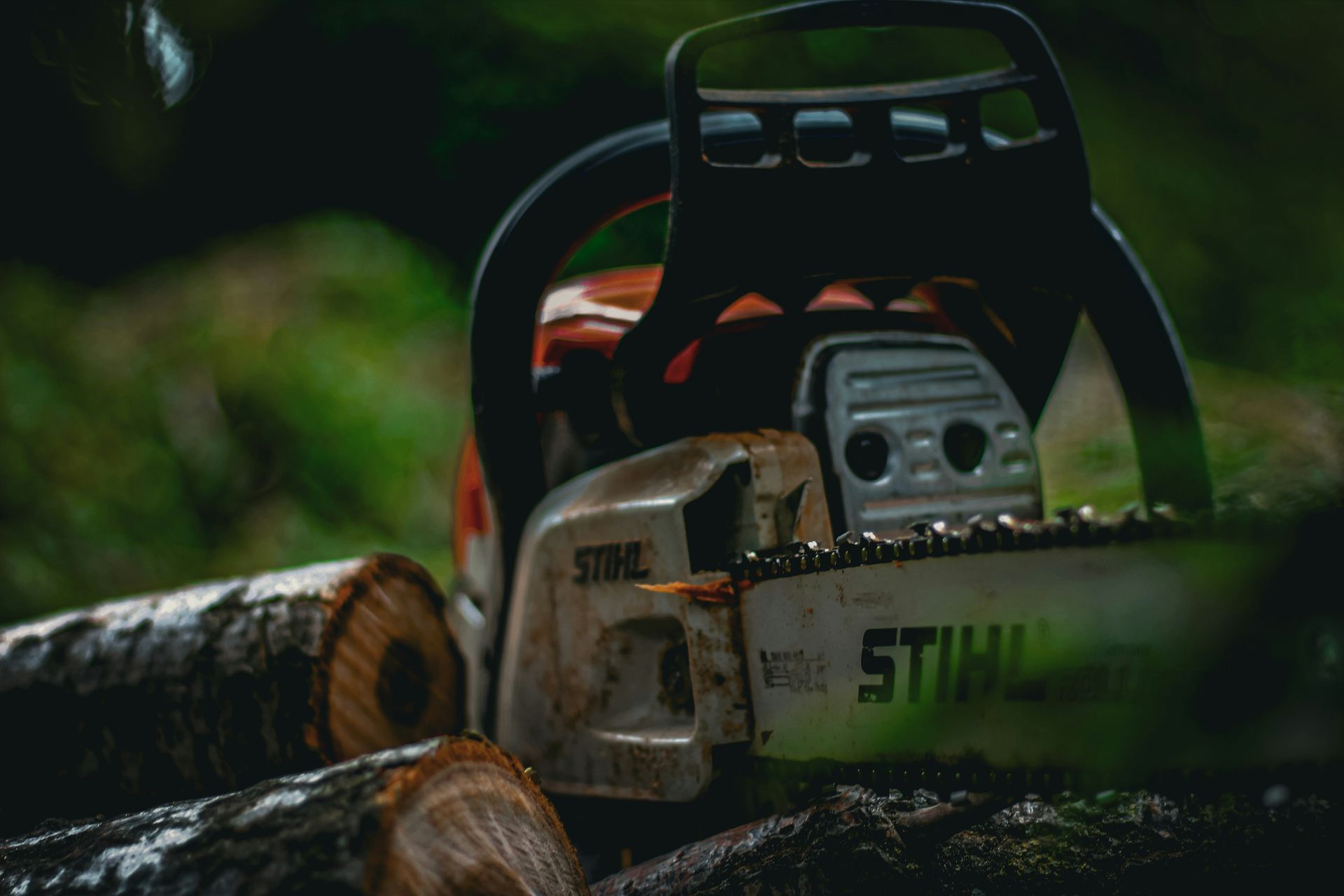
Chainsaws are powerful, efficient tools, but they also carry significant risk. Whether used for logging, property maintenance, or woodworking, a chainsaw operates with a fast-moving chain designed to cut through dense material. Without proper protection, that same cutting force can cause severe injury in a fraction of a second. One of the most effective pieces of personal protective equipment available is chainsaw chaps, such as the STIHL Pro Mark™ Apron Chaps . Understanding how they work and why they matter is essential for anyone working with a chainsaw.

Few structures are as closely tied to American identity as the log cabin . Simple in form yet rich in meaning, the log cabin has long represented independence, self-reliance, and a connection to the land. While building methods and tools have evolved, the appeal of the log cabin remains strong, not only as a functional structure but as a lasting symbol of American craftsmanship and tradition. Understanding the history of log cabins helps explain why they continue to resonate today. The Origins of the Log Cabin in America Log construction was introduced to North America by early European settlers, particularly those from Scandinavian regions , during the 17th century. These builders brought with them techniques that allowed for efficient construction using readily available materials. In early America, log cabins became a practical solution for settlers moving into undeveloped areas. Timber was abundant, and the ability to build quickly with basic tools made log structures an accessible option. These early cabins were not designed for permanence. They were often built as temporary shelters while more permanent homes were planned. However, many of these structures endured, demonstrating the durability of the building method.

Achieve Perfectly Contoured Paneling with the Scribing Technique

In an industry increasingly shaped by power tools and automation, it may be easy to assume that hand tools are becoming less relevant. However, in log construction, hand tools continue to play a central role. While modern equipment has improved efficiency in many areas, the precision and control required in log building still depend heavily on traditional methods. Understanding how hand tools fit into modern workflows can help builders approach projects with greater confidence and consistency. Precision Requires Control Log construction is built on the principle of fit . Each log must align closely with the one beneath it to create a stable and well-sealed structure. Achieving that level of accuracy often requires fine adjustments that are difficult to accomplish with larger, faster tools. Hand tools provide a level of control that allows builders to: Refine cuts with greater precision Adjust contours to match irregular surfaces Work carefully in areas where accuracy is critical Rather than replacing power tools, hand tools often complement them by handling the final stages of shaping and fitting.

When it comes to log cabin construction, precision is everything. Every notch, joint, and contour must align correctly to ensure a tight fit between logs. One of the most essential tools for achieving that level of accuracy is a reliable log scribe , and the Ely Log Scribe stands out as a practical, field-tested option for both beginners and experienced builders. What a Log Scribe Actually Does A log scribe is used to transfer the contour of one log onto another. This allows builders to cut logs so they fit tightly together, reducing gaps and improving structural integrity. Without a proper scribe, builders often rely on estimation, which can lead to: Poor-fitting joints Increased material waste Additional time spent correcting mistakes A well-designed scribe helps eliminate guesswork and supports consistent, repeatable results .